
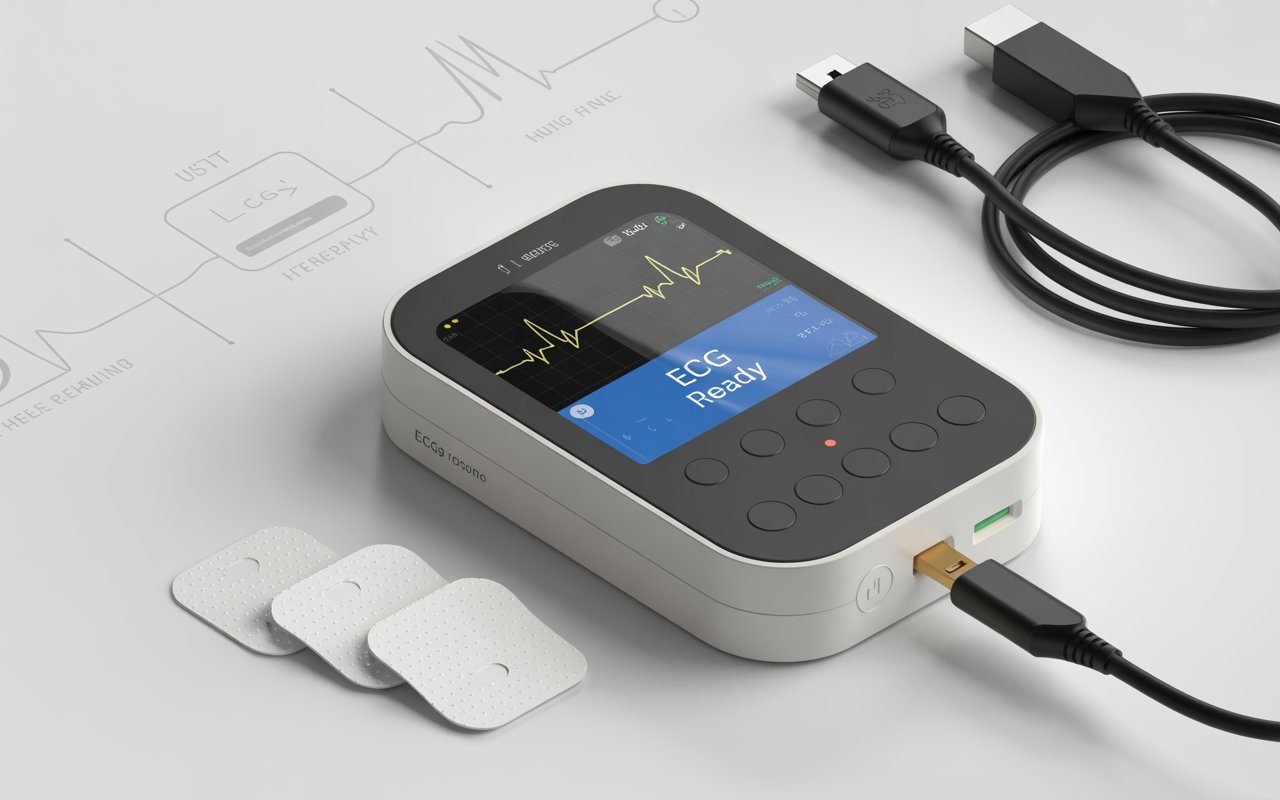
Traditional ECG is usually performed in medical settings with multiple electrodes across the chest, arms, and legs. Portable devices use fewer contact points and simplified conduction pathways. Some models record rhythm through two fingers, others through a chest patch or small electrode pad. Convenience is clear but accuracy depends on device quality, user technique, and specific clinical need. This article explores how well home ECG tools perform, when they are useful, and when a hospital based eletrocardiograma remains essential.
How Portable Eletrocardiograma Devices Actually Work
A standard eletrocardiograma records heart signals from twelve leads. Each lead views electrical activity from a different angle, constructing a detailed map of depolarization and repolarization. Portable ECGs use fewer leads. Many handheld devices provide single lead readings. Others offer two or six leads with more advanced hardware. The fewer the leads the less structural detail is captured. For everyday rhythm screening less detail still holds value. A single lead device can detect atrial fibrillation or irregular heartbeat, and this alone may prevent hospital emergencies.
These devices interpret the difference in electrical potential between contact surfaces. When you touch metal pads with fingers the device senses current movement through bone and tissue. Chest based patches read signals more directly. Wearable recorders capture rhythm during sleep, exercise, and stress. This is where portable ECG compliments clinical testing. Continuous recording over hours or days reveals events missed during short hospital sessions. You can read the ECG tests page to understand each lead format clearly before comparing devices.
Benefits of Using Portable ECG at Home
Convenience is the first advantage. Instead of scheduling clinic appointments for occasional palpitations a user can perform a reading immediately. Small arrhythmias come and go. A five minute hospital test may not catch what happens once a week at home. Portable ECG fills that gap. It allows recordings during symptoms, after exercise, or even while feeling stressed. This real time capture offers diagnostic value because timing matters. Doctors need to see patterns during the problem, not after it passes.
Another benefit is patient engagement. When people see their own ECG they feel more connected to their heart health. A slight change in rhythm becomes noticeable instead of invisible. This awareness improves lifestyle discipline. A person who monitors heart rate variability daily tends to exercise more, hydrate better, and think more carefully about alcohol, caffeine, and stress. Portable ECG is not only a device. It is biofeedback for long term health behavior.
Limitations That Must Be Understood Clearly
No portable eletrocardiograma currently replaces a twelve lead hospital machine. Home devices do not diagnose heart attacks, structural defects, or ischemia with the same accuracy. They can detect rhythm irregularities well but struggle with complex conduction abnormalities. A user may see normal results while disease progresses silently in coronary vessels. That is why portable ECG should not be a standalone diagnostic tool. It is best used as a supplement to medical evaluation, not a replacement.
Skin contact quality also matters. Dry skin or weak electrode placement produces noise and artifact. Poor recording may mislead interpretation. A user without medical background might panic over harmless variations. Strong guidance from doctors is important. The goal is awareness, not anxiety.
Accuracy of Portable ECG in Scientific Studies
Clinical research shows promising results. Many single lead devices detect atrial fibrillation with accuracy above ninety percent. Multi lead devices approach hospital level detection in rhythm disturbances. Still the gap remains for ischemia markers like ST elevation or deep Q wave abnormalities. Professional eletrocardiograma remains gold standard for infarction detection. Portable devices work best for people who need rhythm screening rather than full structural mapping.
It helps to imagine portable ECG like a thermometer. A thermometer does not diagnose infection. It indicates fever. Portable ECG does not diagnose heart disease alone. It indicates rhythm abnormality worth evaluating. For clarity on how home monitoring compares to medical tests you can use the heart tests page.
Types of Portable ECG Devices Available
There are three broad categories. The first is handheld recorders with two finger electrodes. They are fast, simple, and ideal for occasional screening. The second category is patch based monitors worn on the chest. These offer multi lead quality readings and track rhythm during movement and rest. The third category is wearable bands integrated with smartwatches and phones. These are the most accessible but often the least detailed. Comfort and ease of use increase but signal depth decreases.
Choosing the right type depends on purpose. Someone who feels rare palpitations may prefer a handheld model. A person with post surgery monitoring needs a more advanced chest patch. Athletes or older adults may enjoy smartwatch integration for everyday checking. Each device has a place when matched correctly to the person.
When Portable ECG is Reliable Enough
Home ECGs are reliable for rhythm tracking, atrial fibrillation detection, and remote health monitoring. They are ideal for long term pattern surveillance. A patient with occasional flutter can confirm if symptoms are truly arrhythmias. A device that syncs to a phone can send data to a cardiologist for review. A portable device empowers rather than replaces medical systems.
However if a person experiences chest pain, breathlessness, sudden dizziness, or collapse they should not rely on home recording. That is an emergency. Only a hospital eletrocardiograma can rule out infarction properly with troponin testing and multi lead assessment. Home ECG is useful for investigation but not crisis management.
Cost, Accessibility and Long Term Value
Portable devices are becoming more affordable every year. Some cost less than a routine checkup. For people with chronic conditions this investment is practical. Instead of waiting for symptoms to repeat you can capture evidence for your doctor. This reduces diagnostic uncertainty. Remote monitoring supports telemedicine and early intervention. In a world where people live busier lives healthcare must follow them where they are. Portable ECG is a step in the right direction.
Still no device replaces lifestyle fundamentals. Heart care begins with nutrition, hydration, consistent movement, moderate stress and proper sleep. Data informs behavior but behavior shapes outcome. Portable ECG helps guide but cannot perform the effort for you.
Portable Eletrocardiograma vs Holter Monitor
A Holter monitor records continuous ECG for twenty four hours or more. Portable devices allow spot readings or continuous rhythm tracking depending on model. Medical Holter units remain superior for detailed diagnosis because they use multiple leads and professional calibration. You can review Holter monitor details if comparing both tools.
Portable ECG is excellent for daily use. Holter is excellent for clinical evaluation. Together they create a powerful combination. One gathers routine insight. The other reveals deep diagnostic detail.
Reliable Sources for Clinical Context
For medical detail on home ECG reliability you may use the AHA resource. If you prefer research focused interpretation on device accuracy you can review NCBI study.
Conclusion
Portable ECG does not replace clinical eletrocardiograma but it does improve awareness. It allows people to see heart rhythm in everyday life. It catches irregular beats during stress or rest. It encourages better decisions about activity and diet. It gives doctors more data faster and supports early intervention. Convenience and reliability together make portable ECG valuable for home care if used responsibly. The device does not solve health issues alone. It helps you act before problems grow.
Portable Eletrocardiograma and Diabetes, hypertension, aging and recovery all benefit from early rhythm monitoring. The key is to understand the limits and the strengths. When used wisely portable ECG becomes a tool for longevity not just technology.