
Knowing how to prepare for an Eletrocardiograma is one of the simplest ways to make sure your results are accurate and easy for a doctor to interpret. Many patients feel nervous before the test, especially if it is their first time, but proper preparation removes confusion and ensures the entire experience is quick and comfortable. This guide explains what to do before, during, and after the ECG so you know exactly what to expect.
Whether you are getting the test for a routine checkup or because you are experiencing symptoms like chest discomfort or an irregular heartbeat, preparing well helps your cardiologist get a clear picture of your heart’s electrical activity. If you want a complete overview of what happens inside the test room, you can also read our step-by-step guide here: Eletrocardiograma Step-by-Step.
Why Preparation Matters
An Eletrocardiograma is a simple exam, but small details can influence the accuracy of the waveforms recorded by the device. Sweat, body lotions, stress, muscle tension, and even heavy meals may slightly affect the signals captured by the electrodes. Preparing correctly reduces these risks and helps avoid repeat tests.
Understanding the basics of the exam also helps. If you want an introduction to how the ECG works and what the test measures, you can review this complete guide: Eletrocardiograma Test Complete Guide.
Before the Eletrocardiograma: What You Should Do
1. Wear Comfortable Clothing
Loose, easy-to-remove clothing is ideal because a technician will place electrodes on your chest, arms, and sometimes legs. Tops that open from the front or soft T-shirts make the process faster.
2. Avoid Lotions and Oils
On the day of the test, avoid using creams, oils, lotions, or powders on your chest. These products can reduce the electrode’s ability to stick properly and may interfere with signal quality.
3. Keep Your Skin Clean and Dry
Taking a shower before the exam is perfectly fine, but make sure to dry your skin well. Sweat or moisture can affect electrode placement. Clean, dry skin ensures the device gets the best possible contact.
4. Eat Lightly
You do not need to fast before an Eletrocardiograma. However, it is better to avoid heavy or high-fat meals right before the test because they may cause discomfort, bloating, or increased heart rate.
5. Avoid Caffeine and Energy Drinks
Try not to drink coffee, energy drinks, strong tea, or caffeinated sodas immediately before your appointment. These beverages may temporarily increase your heart rate and create irregular readings.
6. Bring Your Medication List
Doctors sometimes need to know your medications because certain drugs can influence heart rhythm. Bring a written list, especially if you take heart medications, blood pressure pills, or anxiety medicine.
7. Relax and Breathe Normally
Stress can affect your heartbeat. Take a few minutes to relax, breathe slowly, and calm your body before you enter the exam room. Staying calm is one of the most important parts of knowing how to prepare for an Eletrocardiograma properly.
During the Eletrocardiograma: What to Expect
The actual test is quick and painless. Preparing yourself mentally helps reduce anxiety. If you are nervous because this is your first ECG, this guide may help: Eletrocardiograma for First-Time Patients.
1. Electrode Placement
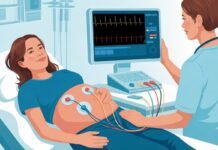
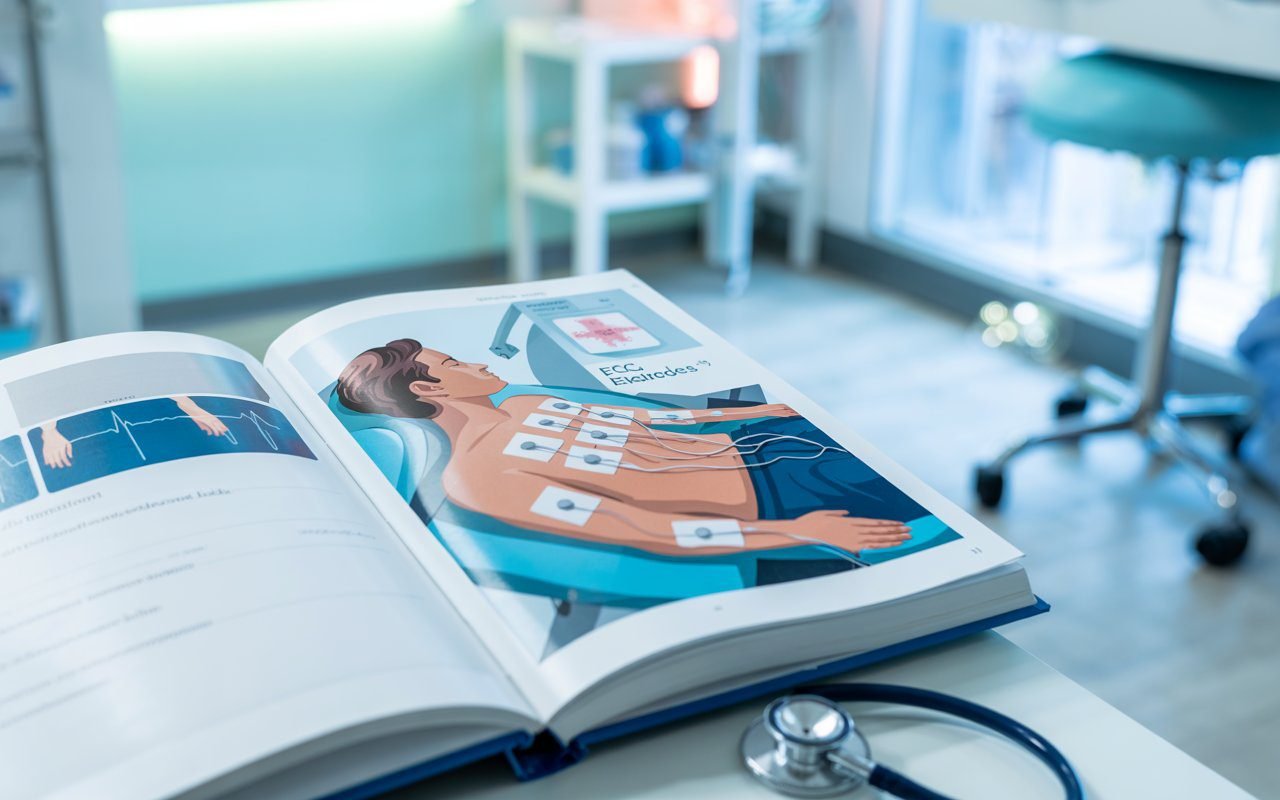
A healthcare professional will clean specific areas of your chest and attach small adhesive patches called electrodes. These electrodes detect the electrical signals produced by your heart.
2. Staying Still Is Important
Once the test begins, you will be asked to lie still. Movement or muscle tension can affect the line patterns on the ECG machine. Simply relax your arms and legs and breathe naturally.
3. No Pain or Discomfort
There is absolutely no pain involved. You may feel a cool sensation from the gel or adhesive, but the test itself is completely painless. No electricity enters your body — the electrodes only record signals.
4. The Test Takes Just a Few Minutes
A standard resting Eletrocardiograma is extremely quick. Once the readings are captured, the technician will remove the electrodes, and your part is finished.
After the Eletrocardiograma: What You Should Do
1. Return to Normal Activities
You can return to your normal routine immediately. There is no recovery time, and you can eat, walk, or drive as usual.
2. Review Results With Your Doctor
Depending on the clinic, results may be ready instantly or later the same day. Your doctor will interpret waveforms, heart rate, intervals, and patterns to see if everything appears normal.
3. Follow Medical Advice
If your doctor needs more information, they may recommend additional tests. In some cases, this may include a Holter monitor, stress test, or echocardiogram. These follow-up tests help provide a more complete picture of your heart health.
How to Prepare for an Eletrocardiograma if You Have Symptoms
If you are experiencing chest discomfort, palpitations, dizziness, or shortness of breath, proper preparation becomes even more important. Avoid intense physical activity right before the exam. Try to stay calm and note when your symptoms began so you can explain them clearly to your doctor.
Patients who prepare well often get more accurate and reliable results. Knowing how to prepare for an Eletrocardiograma helps both your comfort and your doctor’s evaluation.
Common Mistakes to Avoid
- Using body lotions or oils on the day of the exam
- Drinking strong coffee or energy drinks before the test
- Wearing tight clothing that slows electrode placement
- Feeling anxious and breathing irregularly during the test
- Eating a very heavy meal right before your appointment
When Should You Prepare Differently?
There are times when your doctor may give extra instructions. For example, if you take medication that affects the heart, if you have pacemaker leads, or if you recently had chest surgery, your preparation may be slightly different. Always follow the instructions given by your healthcare provider.
Helpful External Information
If you want an easy medical overview of what the ECG measures, you can read this detailed explanation from MedlinePlus: Electrocardiogram. For those interested in how the test helps identify serious conditions like heart attacks, this page from the American Heart Association offers a clear breakdown: Diagnosing a Heart Attack.
Final Thoughts
Learning how to prepare for an Eletrocardiograma gives you confidence and removes any stress before the test. Most importantly, it ensures the results your doctor receives are accurate and easy to interpret. The process is simple: wear comfortable clothes, avoid lotions and caffeine, relax your body, and follow any specific instructions your doctor provides. With proper preparation, the test becomes quick, comfortable, and highly reliable for understanding your heart health.