
An Eletrocardiograma is one of the most widely used and trusted tests for checking how well the heart is working. This beginner-friendly guide explains, in simple language, what the test is, how it works, the main types of ECG, what the results can show, and who should consider having it. If you are new to the topic, this article will help you understand the test clearly and confidently.
What Is an Eletrocardiograma?
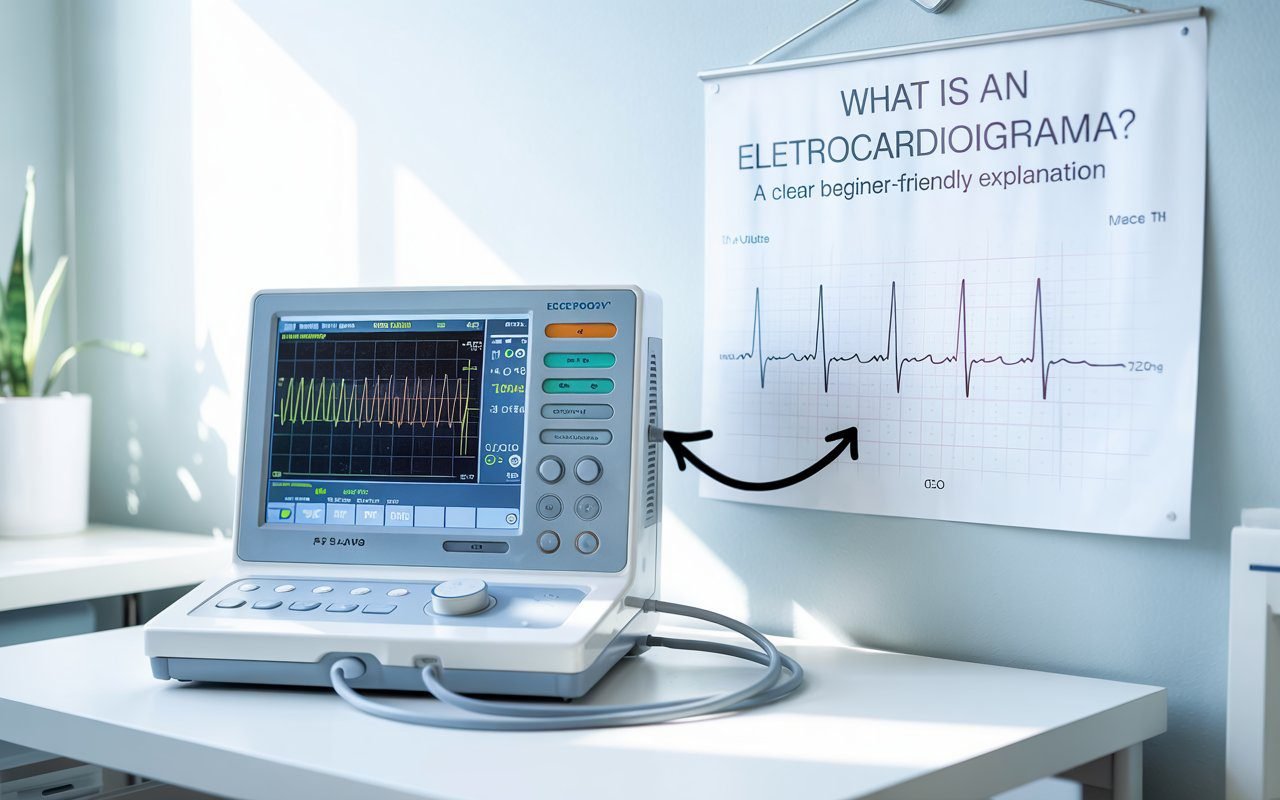
An Eletrocardiograma, often called an ECG or EKG, is a painless and non-invasive test that records the electrical activity of your heart. Every time your heart beats, it produces tiny electrical impulses. The Eletrocardiograma captures these impulses and draws them as waves on a screen or on paper. Doctors study those waves to check if your heart rhythm is normal and if the heart muscle is working properly.
This test is used in hospitals, emergency rooms, clinics, and even some home-care settings. In many cases it is the first test a doctor orders when a person has chest pain, shortness of breath, dizziness, or an irregular heartbeat. Because the Eletrocardiograma is quick, safe, and affordable, it is also used for routine heart checkups in people with risk factors.
If you want a deeper technical explanation of how the electrical signals travel through the heart, you can later read our in-depth guide on how an Eletrocardiograma works, where we break down each wave in more detail.
How an Eletrocardiograma Works
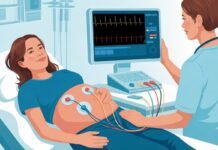
The procedure is straightforward and usually takes only a few minutes. A nurse or technician performs it in a calm, controlled environment.
Here is what normally happens during the test:
- You lie down comfortably on a bed or examination table.
- Several small adhesive patches, called electrodes, are placed on your chest, arms, and legs.
- Each electrode is connected to the Eletrocardiograma machine with thin wires.
- The electrodes detect the electrical signals produced by each heartbeat.
- The machine then converts these signals into waveforms that appear on a screen or are printed on paper.
The key parts of a typical ECG tracing include:
- P wave – shows the electrical activity in the atria, the upper chambers of the heart.
- QRS complex – represents the main heartbeat, when the ventricles contract and pump blood out.
- T wave – shows the recovery or relaxation phase of the ventricles.
In a healthy heart, these waves appear in a regular pattern with expected shapes and timing. When the pattern changes, it may suggest problems such as rhythm disorders, blocked arteries, previous heart attacks, or electrolyte imbalances. Our separate article on types of Eletrocardiograma tests explains how different test methods capture these patterns in various situations.
Types of Eletrocardiograma Tests
Doctors do not use only one single kind of test. Several types of Eletrocardiograma are available, and each one is useful in specific situations. The most common types include:
1. Resting Eletrocardiograma
This is the standard test performed while you are lying still. It measures how the heart behaves at rest. The test usually takes less than ten minutes and gives an instant snapshot of your heart’s electrical activity. It is often used for routine checkups and for assessing symptoms such as chest pain or palpitations.
2. Stress (Exercise) Eletrocardiograma
A stress Eletrocardiograma is done while you walk or run on a treadmill or ride a stationary bike. The goal is to see how your heart performs under physical effort. Some heart problems do not appear when you are resting but become clear when the heart has to work harder. This test can help detect reduced blood flow to the heart muscle and exercise-induced rhythm disturbances.
3. Holter Monitor
A Holter monitor is a small, portable device that you wear for 24 to 48 hours. Electrodes are attached to your chest and connected to the monitor, which records every heartbeat during normal daily activities and sleep. This kind of Eletrocardiograma is useful when symptoms are occasional and do not always occur during a short test at the clinic.
4. Event Monitor
An event monitor is similar to a Holter device but can be worn for several weeks. It records only when you press a button or when it detects an irregular rhythm. This helps your doctor link specific symptoms such as sudden dizziness or palpitations to the heart’s electrical activity at that exact moment.
Understanding Eletrocardiograma Results
Once the test is completed, your doctor or a trained specialist interprets the results. Eletrocardiograma reports may look complex at first, but they mainly focus on a few key points:
- Heart rate – how many times the heart beats per minute.
- Heart rhythm – whether the beats follow a regular pattern or are irregular.
- Electrical axis – the general direction in which electrical impulses travel through the heart.
- Intervals – the timing between different phases of each heartbeat.
Normal results show a steady rhythm, expected wave shapes, and no signs of blockage or enlargement. Abnormal results may reveal:
- Different kinds of arrhythmias (irregular heartbeats).
- Evidence of a previous or current heart attack.
- Problems with the heart muscle, such as thickened walls or enlarged chambers.
- Possible electrolyte imbalances, such as abnormal potassium levels.
- Reduced blood flow through the coronary arteries.
If you want a step-by-step explanation of typical ECG reports and what common terms mean, you can read our article on Eletrocardiograma results explained, where we translate technical language into simple words.
For a medical reference written by cardiology specialists, you can also consult the detailed Electrocardiogram overview from Cleveland Clinic, which is widely respected in the heart-health field.
Who Should Get an Eletrocardiograma?
Not everyone needs this test every year, but many people benefit from it at certain stages of life or when symptoms appear. A doctor may recommend an Eletrocardiograma if you experience:
- Chest pain or pressure, especially on exertion.
- Shortness of breath without a clear cause.
- Unexplained dizziness, light-headedness, or fainting.
- Heart palpitations or a feeling that the heart is skipping beats.
- A very fast or very slow heartbeat.
The test is also common if you have known risk factors for heart disease, such as:
- High blood pressure.
- Diabetes or prediabetes.
- High cholesterol levels.
- A history of smoking.
- Excess body weight or obesity.
- A family history of early heart disease or sudden cardiac death.
Sometimes an Eletrocardiograma is part of a routine health check, especially for people over 40 or for those starting a new exercise program. It can also be used to monitor the effects of heart medications or to check the heart before surgery.
Is an Eletrocardiograma Safe?
Yes. Safety is one of the biggest advantages of this test. The electrodes only record existing electrical activity; they do not send electricity into your body. You will not receive any shock from the machine. At most, you may feel the coolness of the electrodes or mild discomfort when they are removed.
There is no recovery time. In most cases, you can return to your normal routine immediately after the test unless your doctor has specific instructions based on your symptoms or results.
Frequently Asked Questions About Eletrocardiograma
Is an Eletrocardiograma painful?
No. The test is completely painless. You simply lie still while the electrodes record your heart’s electrical signals. Some people feel a slight tug when the adhesive patches are removed, but the Eletrocardiograma itself does not cause pain.
How long does an Eletrocardiograma take?
For a standard test, the entire process usually takes 5 to 10 minutes. This includes placing the electrodes, recording the heartbeat, and removing the patches. Longer forms, such as Holter or event monitoring, collect information over many hours or days but require little active effort from you.
Can I eat or drink before the test?
In most situations you can eat and drink normally before an Eletrocardiograma. Your doctor will let you know if any special preparation is needed, such as avoiding caffeine or certain medicines. Always follow the instructions given by your healthcare provider.
How often should I get an Eletrocardiograma?
There is no single rule for everyone. Some people have the test only once or twice in their lifetime, while others need regular monitoring. Your doctor may suggest repeating the Eletrocardiograma every one to two years if you have heart-disease risk factors or more often if you already have a known heart condition.
Where can I learn more?
To explore additional general information written for patients, you can visit the Healthline ECG guide, which offers a clear overview that complements the explanations in this article.
Final Thoughts
The Eletrocardiograma is a powerful and essential tool for understanding your heart’s health. It is quick, safe, and highly informative, making it one of the first tests doctors use when they suspect a heart problem. By knowing what the test is, how it works, and what the results can show, you can speak with your doctor more confidently and make informed decisions about your care.
If you ever notice unusual symptoms such as chest discomfort, unexplained tiredness, or irregular heartbeats, do not ignore them. Talk to a healthcare professional and ask whether an Eletrocardiograma is appropriate for you. Early testing and early diagnosis can make a real difference in protecting your heart for the long term.