

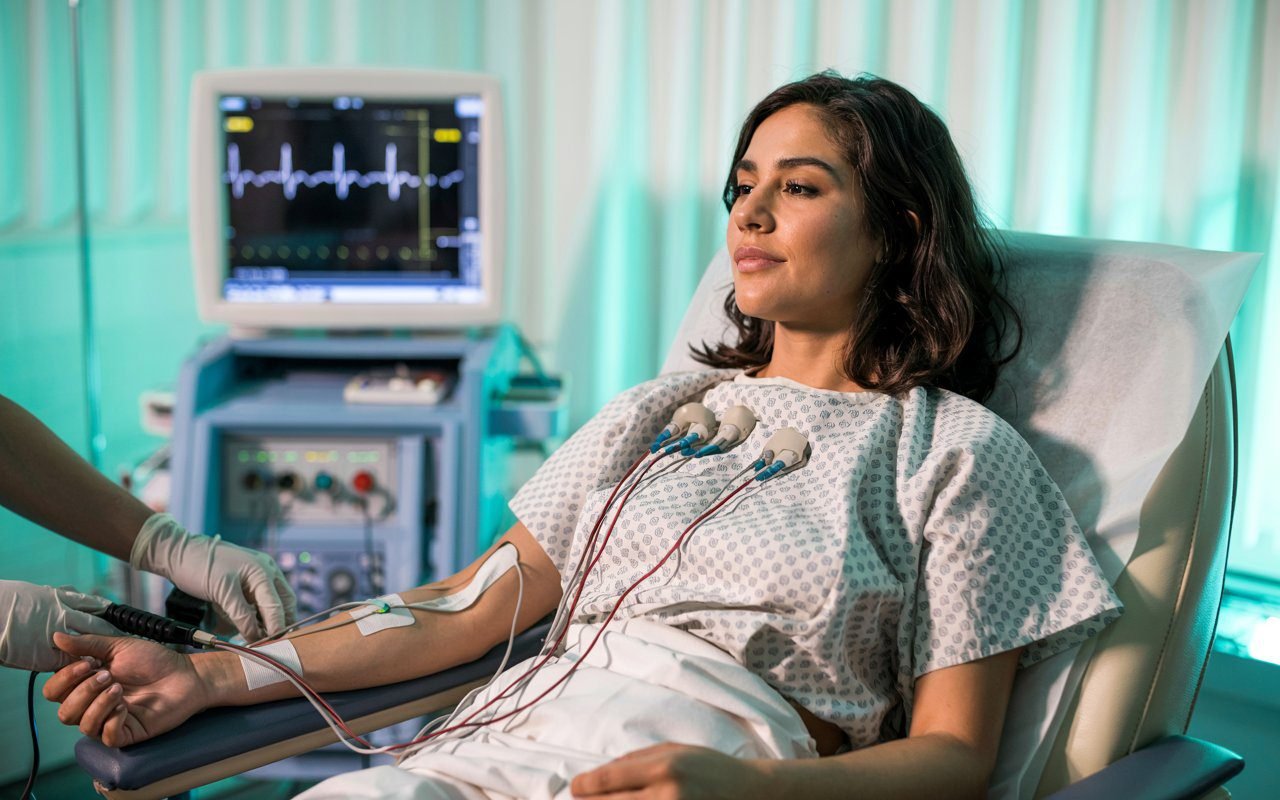
An Eletrocardiograma step by step guide can make the whole experience feel much less scary. When you know exactly what will happen before, during, and after the test, it becomes easier to relax and focus on your health. This article walks you through every stage of a standard ECG in simple, clear language so you understand what to expect from start to finish.
Why a step-by-step Eletrocardiograma guide matters
For many people, the idea of heart testing is stressful. They worry about pain, side effects, or bad results. In reality, an eletrocardiograma step by step is one of the most routine and gentle tests in modern medicine. It is quick, non-invasive, and provides extremely valuable information about how your heart is working.
Understanding each stage of the process helps you:
- Feel more confident and calm on the day of the test
- Ask better questions to your doctor or cardiologist
- Recognize that the test is safe and usually very simple
- Know what you can do before and after to support accurate results
If you want a more technical explanation of how heart electricity is recorded, you can later read the detailed guide on how the test works here: How an Eletrocardiograma Works.
Step 1 – Booking the Eletrocardiograma test
The first stage of your eletrocardiograma step by step journey usually starts when your doctor recommends the exam. This may happen during a routine checkup or after you report symptoms such as chest pain, shortness of breath, dizziness, or an irregular heartbeat.
When you book the appointment, the clinic staff may ask you a few questions:
- Why the test is being ordered
- Current medications you take
- Any previous heart conditions or surgeries
- Whether you have had an Eletrocardiograma before
In most cases, you do not need to do anything complicated before the test. Still, some clinics share simple preparation tips such as wearing loose clothing or avoiding body lotions on the day of the exam. For a dedicated preparation checklist, you can later read this article: How to Prepare for an Eletrocardiograma.
Step 2 – Arriving at the clinic or hospital
On the day of the exam, arrive a little early so you have time to check in and relax. As part of the eletrocardiograma step by step process, you will typically:
- Register at the reception and confirm your personal details
- Wait a short time in the waiting room until you are called
- Be guided to a separate room where the test will be performed
The ECG room is usually quiet, with a comfortable bed or examination table and a small machine next to it. The equipment may look technical, but the procedure itself remains simple and fast.
Step 3 – Getting ready for the test
The technician, nurse, or other trained professional will explain what will happen next. They may ask you to remove jewelry or metal objects from your chest and wrists. In many cases you will also be asked to remove clothing from the upper body so the electrodes can be placed directly on the skin.
As part of the eletrocardiograma step by step preparation, you may experience the following:
- Your skin may be cleaned with a small pad or alcohol wipe
- A bit of shaving could be done if there is a lot of chest hair
- Electrodes with sticky pads will be attached to specific points on your chest, arms, and legs
These adhesive electrodes do not hurt. At most, you might feel a light cold sensation when the gel or cleaning solution is applied to the skin.
Step 4 – Placement of the electrodes
The accuracy of the test depends on correct electrode placement. During an eletrocardiograma step by step, the technician carefully positions the electrodes so that the machine can clearly detect the heart’s electrical signals.
Standard positions usually include:
- Several electrodes across the chest
- One electrode on each arm
- One electrode on each leg or ankle
Wires from each electrode connect to the ECG machine. Although the setup may look complex, nothing is sending electricity into your body. The equipment is simply “listening” to the electrical activity your heart already produces.
Step 5 – During the recording
Once the electrodes are in place, you will be asked to lie still and breathe normally. This is the simplest part of the eletrocardiograma step by step process. The machine records your heart activity for a short time, often less than one minute of continuous tracing.
To keep the results clear and accurate, the technician may ask you:
- To avoid talking while the recording is happening
- To relax your muscles and keep your arms and legs still
- To breathe gently without deep or forced breaths
On the screen or paper, you would see waves labeled P, QRS, and T. These waves represent different phases of the heartbeat. For a more technical breakdown of these patterns, you can explore official medical explanations such as the electrocardiogram test overview on MedlinePlus or patient-friendly ECG guides from trusted hospitals.
Step 6 – After the recording is complete
When the recording is finished, the technician will disconnect the wires and gently remove the electrodes from your skin. This is usually painless, though you might feel a light pull similar to removing a bandage.
This closing stage of the eletrocardiograma step by step process includes:
- Cleaning any remaining gel or adhesive from the skin
- Allowing you to get dressed again in private
- Explaining when and how you will receive your results
Most people can leave the clinic almost immediately. There is no recovery period and no need to rest unless your doctor has requested additional tests on the same day.
Step 7 – Understanding what happens with your results
After your Eletrocardiograma, the tracing is reviewed by a doctor, often a cardiologist or a physician trained in reading ECGs. As part of the eletrocardiograma step by step journey, the report will usually mention:
- Your heart rate in beats per minute
- Whether your heart rhythm is regular or irregular
- The shape and timing of P waves, QRS complexes, and T waves
- Any signs that may suggest heart enlargement, previous heart attack, or rhythm disorders
Your doctor then combines these findings with your symptoms and medical history. For some people, the results will simply confirm that the heart is working normally. For others, the test may highlight areas that need further investigation.
If you want to compare how different tests are used to evaluate the heart, medical organizations such as the Cleveland Clinic provide clear explanations on when electrocardiograms are used alongside other imaging exams like echocardiograms. You can explore one of their patient resources here: Electrocardiogram (ECG) patient information.
How the test feels from a patient’s point of view
One of the most common questions people ask about an eletrocardiograma step by step is how it actually feels. The procedure itself is painless. You will not feel the electrical activity being measured, and the machine does not send any current into your body.
Most people describe the experience in simple terms:
- The room is usually cool and quiet
- The electrodes can feel slightly cold at first
- Lying still for a short time is the only real challenge
If you are sensitive to adhesives, you can mention this to the technician. They may be able to use different pads or clean the skin more gently before and after the test. For more detail about comfort and reassurance, you can later read the dedicated article on this topic: Is an Eletrocardiograma Painful? Myths and Facts Explained.
When is a step-by-step Eletrocardiograma especially useful?
A clear eletrocardiograma step by step explanation is especially helpful if:
- You are having your very first heart test
- You feel anxious about medical procedures
- You need to explain the exam to a family member or caregiver
- You are preparing a child or an older adult for the test
By breaking the exam into small, understandable stages, this guide shows that the process is orderly, safe, and focused on your well-being. Nothing is rushed, and you always have the right to ask questions at any step.
Frequently asked questions about the Eletrocardiograma step by step
How long does an Eletrocardiograma take from start to finish?
The recording itself is very short, but the full eletrocardiograma step by step experience usually takes around 15 to 30 minutes. This includes check-in, changing clothes if necessary, placing the electrodes, recording the tracing, and preparing to leave.
Should I be worried if my doctor orders an ECG?
Not necessarily. An eletrocardiograma step by step is often ordered as a routine exam, especially if you have risk factors such as high blood pressure, diabetes, high cholesterol, or a family history of heart disease. It is better to see the test as a useful tool for understanding your heart rather than a sign that something is definitely wrong.
Can I drive or go back to work after the test?
Yes. In most situations, an eletrocardiograma step by step does not affect your ability to continue your day. You can return to work, school, or home activities immediately unless your doctor advises otherwise for a specific medical reason.
Does the Eletrocardiograma show all heart problems?
An eletrocardiograma step by step captures important information, but it does not detect every possible heart condition. Some issues only appear during exercise, over a longer period, or with other imaging tests. That is why doctors may combine a standard ECG with stress tests, Holter monitoring, or echocardiograms when needed.
What can I do to feel calmer before the test?
Reading a clear eletrocardiograma step by step guide like this one is already a great start. It can also help to:
- Arrive early so you are not rushed
- Practice slow, deep breathing while you wait
- Bring a trusted friend or family member for support
- Write down any questions you want to ask the doctor
Final thoughts
When you see the Eletrocardiograma as a simple sequence of small, manageable steps, it becomes much less intimidating. From booking the appointment and entering the clinic to placing the electrodes and receiving the results, every part of the eletrocardiograma step by step process is designed to protect your heart health in a safe and non-invasive way.
If you still feel unsure, you can combine this practical guide with more technical explanations from trusted medical sources and with your doctor’s personal advice. Together, they give you a complete picture of how this essential heart test fits into your long-term health care.