
Many people assume that heart tests are only necessary after symptoms appear, but this can be a dangerous misunderstanding. Silent heart problems can develop without warning and remain unnoticed until they become emergencies. Performing an eletrocardiograma during routine checkups is an important preventive measure that can reveal early abnormalities and protect long-term health. In modern preventive cardiology, early detection is considered far more effective than emergency treatment, making routine ECG screening a valuable tool for individuals of all ages.
Why an Eletrocardiograma Matters for Preventive Care
Heart disease remains the leading cause of death worldwide, and many serious cardiac conditions progress silently. The eletrocardiograma during routine checkups allows doctors to detect issues before they become life-threatening. By recording the heart’s electrical activity, the ECG helps identify abnormalities in rhythm, blood supply or muscle function even in the absence of symptoms.
A proactive approach to cardiovascular health
Preventive testing reduces the chances of sudden cardiac events and enables early treatment if needed. This is especially important for people with risk factors such as hypertension, diabetes, obesity, smoking habits or a family history of heart disease.
The value of prevention over crisis care
When problems are found early, treatments are usually simpler, safer and more effective. Waiting until symptoms appear often means the condition is already advanced.
1 — Early Detection of Silent Heart Issues
One of the major advantages of an eletrocardiograma during routine checkups is the ability to detect heart problems that produce no visible symptoms. Many dangerous cardiac conditions develop slowly, and patients often feel normal until complications occur.
Heart disorders that may be detected early
- Silent ischemia, where restricted blood flow causes no chest pain
- Electrical conduction abnormalities
- Previous unnoticed heart damage
- Heart muscle enlargement due to high blood pressure
- Arrhythmias that occur intermittently
- Electrolyte disturbances affecting heart rhythm
Why early detection saves lives
When identified early, most conditions can be managed through medication, lifestyle changes or cardiac monitoring, preventing emergencies such as stroke or heart attack.
2 — Better Decision-Making for Your Doctor
Physicians often recommend the eletrocardiograma during routine checkups when evaluating overall cardiac health. It supports clinical decisions related to medication, exercise and long-term health management. For a deeper look at medical reasoning, this guide offers useful insight:
Why Doctors Recommend an Eletrocardiograma.
Common clinical reasons for routine ECG testing
- Monitoring treatment in patients with heart conditions
- Evaluating heart response to medication
- Assessing symptoms like fatigue or dizziness
- Preventive screening based on personal health history
Tracking changes over time
Comparing ECG results year after year helps doctors identify subtle patterns long before they become urgent.
3 — Identifying People at Higher Risk
The eletrocardiograma during routine checkups is especially important for individuals at elevated risk due to age, genetics or lifestyle. Many patients benefit greatly from early evaluation before symptoms appear. For further understanding of who needs screening most:
Who Should Get an Eletrocardiograma?
Groups most likely to benefit from routine ECG
- Adults over 40
- People with high blood pressure or cholesterol
- Individuals with diabetes
- Smokers and ex-smokers
- People with a family history of heart disease
- Athletes involved in intense training
Silent conditions are common
Many patients first discover abnormalities only after fainting, collapse or sudden chest pain. Routine ECG helps prevent such surprises.
4 — Understanding Your Heart Health Over Time
The eletrocardiograma during routine checkups provides a baseline record of heart function, making it easier to detect changes later. Even a normal ECG result can offer reassurance and motivation for a healthier lifestyle.
Follow-up diagnostic tools
- Echocardiogram
- Stress testing
- Holter 24-hour monitoring
- Blood tests for cardiac biomarkers
For help interpreting typical ECG readings, see:
Eletrocardiograma Results Explained
Better outcomes through monitoring
Tracking heart function trends supports cardiovascular prevention and reduces emergency hospitalization risk.
5 — Safety, Comfort and Accessibility
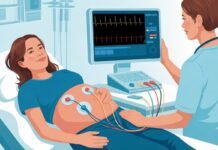
The ECG is safe, painless and affordable. It requires no preparation and does not expose the body to radiation. It simply measures electrical signals using adhesive electrodes placed on the skin.
Advantages of preventive ECG screening
- Quick procedure, typically under 5 minutes
- No discomfort or physical effort required
- Widely available in hospitals and clinics
- Suitable for patients of all ages
Ideal for preventive care
Routine ECGs can be performed alongside other standard tests during annual checkups, making them a simple addition to preventive health planning.
Final Thoughts
The eletrocardiograma during routine checkups is an essential element of preventive cardiac care. It can detect silent abnormalities, support clinical decision-making, identify risk factors early and provide peace of mind through ongoing monitoring. Instead of waiting for symptoms or emergencies, preventive ECG screening empowers patients to protect heart health proactively. Small steps today can prevent life-changing events tomorrow.
For more expert medical guidance about ECG testing, the Mayo Clinic explains the purpose, process and value clearly at Mayo Clinic Electrocardiogram Overview, and additional patient-friendly reading is available at Healthline ECG Guide.