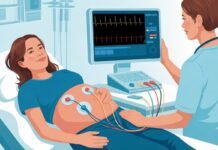


When a patient arrives at the emergency room with symptoms such as chest pain, severe shortness of breath, dizziness, collapse, or irregular heartbeat, immediate action is essential. In these high-pressure situations, the eletrocardiograma in the emergency room becomes one of the most valuable tools available to medical teams. It allows doctors to diagnose potentially life-threatening conditions within minutes, guiding critical treatment decisions that can save lives. For many patients, the ECG is the difference between early intervention and irreversible damage to the heart.
Why the Eletrocardiograma Is Essential in Emergencies
Unlike other diagnostic tools that may require time, transportation, or complex preparation, the ECG can be performed instantly, providing real-time information about the heart’s electrical function. This speed is vital for identifying acute cardiac emergencies and initiating immediate treatment.
Common scenarios that require urgent ECG testing
- Symptoms suggesting a heart attack or acute chest pain
- Sudden fainting or unexplained collapse
- Life-threatening arrhythmias or rapid irregular pulse
- Severe shortness of breath or suspected heart failure
- Stroke-like symptoms involving confusion or speech difficulty
- Drug overdoses or electrolyte disturbances affecting the heart
- Serious accidents or electrical injuries
The importance of rapid assessment
In emergency medicine, time is a critical factor. Many cardiac events evolve in minutes, not hours. A fast ECG recording allows clinicians to confirm or rule out cardiac involvement efficiently, preventing dangerous delays.
How the Eletrocardiograma Helps Diagnose Critical Conditions
The eletrocardiograma in the emergency room allows doctors to analyze heart rhythm and electrical activity. This helps identify whether the heart muscle is receiving enough blood or if an abnormal rhythm is putting the patient at risk. In urgent cases, even subtle changes on the tracing provide crucial information.
Conditions an ECG can detect immediately
- Acute myocardial infarction (heart attack)
- Atrial fibrillation and other rapid arrhythmias
- Ventricular tachycardia or fibrillation
- Heart block or electrical conduction problems
- Ischemia affecting heart muscle function
- Pericarditis or inflammation of the heart
- Electrolyte imbalances that disrupt rhythm
Emergency detection of heart attacks
One of the most critical uses of the ECG is identifying signs of a heart attack quickly. The test can reveal patterns such as ST-segment elevation, T-wave changes, or Q-wave abnormalities, which guide emergency intervention. A practical resource about how ECG signals indicate heart attack risk is available at
Eletrocardiograma and Heart Attack Signs.
How the ECG Is Performed in the Emergency Room
The procedure is simple and fast. Even for unstable patients, the ECG can be completed without difficulty or discomfort. The process is similar to the routine sequence described here:
Eletrocardiograma Step-by-Step.
Typical steps during emergency ECG recording
- The patient is placed on a hospital bed or stretcher.
- Adhesive electrodes are quickly placed on the chest, arms, and legs.
- The ECG machine records electrical activity within seconds.
- Printed or digital tracings are immediately reviewed by doctors.
- Emergency treatment begins instantly if abnormalities are detected.
Bedside availability saves time
Portable ECG equipment in emergency rooms enables testing wherever the patient is located, preventing dangerous delays in diagnosis.
How ECG Results Guide Emergency Treatment
The eletrocardiograma in the emergency room directly influences medical decisions. Based on results, doctors determine the level of urgency, type of intervention and critical care path.
Examples of decisions based on findings
- Administering medication to dissolve blood clots
- Electric cardioversion for unstable arrhythmias
- Defibrillation for cardiac arrest
- Immediate transfer to a catheterization lab
- Intensive care monitoring
Why timing matters
Cardiologists use the expression “time is muscle” to emphasize how early action saves heart tissue. Every minute counts.
Understanding ECG Results After Stabilization
Once the patient is stabilized, doctors analyze the ECG in detail to evaluate damage, rhythm patterns and long-term risks. For patients wanting clarity about interpretation, a simple explanation is available at
Eletrocardiograma Results Explained.
Follow-up testing after emergency care
- Cardiac enzyme blood tests
- Echocardiogram
- Holter monitoring
- Stress testing
Evaluating recovery and prevention
Monitoring helps determine treatment effectiveness and prevents future episodes.
Is an ECG Safe in Emergency Situations?
The test is extremely safe. It does not interfere with pacemakers or implanted defibrillators, and it does not deliver electrical current to the body. Even during life-threatening crises, the procedure remains painless.
Suitable for all emergency patients
- Children and adults
- Seniors
- Pregnant women
- Patients in critical instability
Comfort considerations
Although the environment may be stressful, the ECG process itself is quick and gentle, requiring no preparation.
When to Seek Emergency Help
Chest pressure, arm or jaw pain, sudden shortness of breath, fainting, rapid heartbeat, numbness, or a feeling of overwhelming alarm should never be ignored. The faster an eletrocardiograma in the emergency room is performed, the greater the chance of survival and full recovery.
Final Thoughts
The eletrocardiograma in the emergency room is one of the most critical diagnostic tools in urgent cardiac medicine. It delivers instant information that supports life-saving actions, prevents irreversible damage and improves survival outcomes. Recognizing symptoms early and seeking help immediately can preserve heart health and protect life.
For additional medical insight, the Mayo Clinic provides trusted clinical guidance on ECG use: Mayo Clinic Electrocardiogram Overview and a patient-friendly breakdown can be found at Healthline Electrocardiogram Guide.