

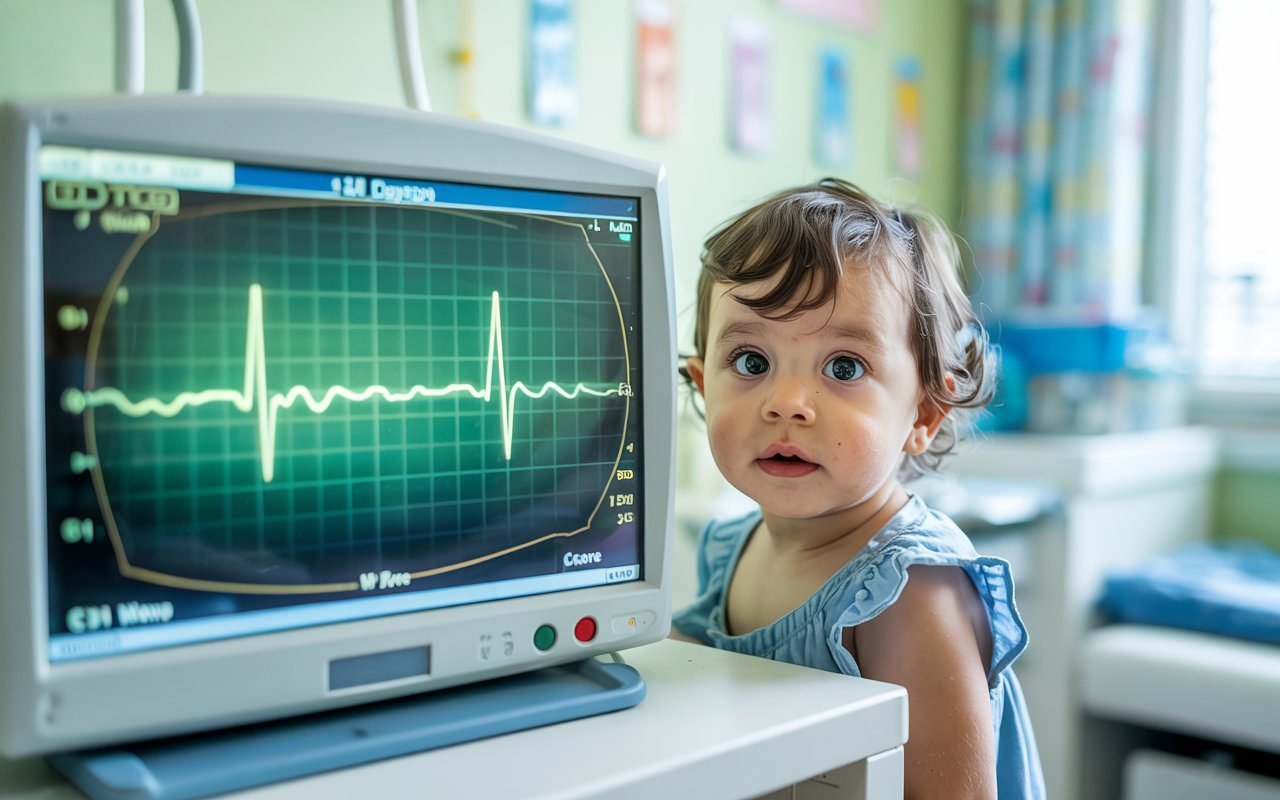
When the doctor recommends an eletrocardiograma in children and teenagers, many parents instantly worry. Is something wrong with my child’s heart? Is the test painful? Is it safe at such a young age? These questions are natural, especially when it is the first time dealing with a heart test in a child or teenager. The good news is that the exam is safe, quick and non-invasive, and in many cases it is requested simply to rule out problems, not because a serious condition is already present.
This article explains when an eletrocardiograma in children and teenagers is necessary, how it is performed, how it differs from adults, and what parents and caregivers can do to make the experience calm and comfortable. Understanding the process helps reduce fear and allows families to focus on what matters most: protecting long-term heart health.
Why Children and Teenagers Need an Eletrocardiograma
It may be surprising to hear that a child or teenager needs a heart test. Yet, doctors are increasingly using ECGs as part of preventive and diagnostic care. The eletrocardiograma in children and teenagers can reveal important information about rhythm, electrical conduction and possible structural problems that may not produce obvious symptoms.
Common reasons doctors order an ECG in younger patients
- Chest pain, even if mild or occasional
- Fainting spells, dizziness or unexplained collapse
- Palpitations or “racing” heartbeat reported by the child
- Shortness of breath during exercise
- Family history of heart disease or sudden death at a young age
- Pre-participation screening for competitive sports
- Monitoring after infections that can affect the heart
Screening in high-risk groups
Children with congenital heart disease, genetic syndromes or chronic illnesses may undergo ECGs more regularly. In such cases, the eletrocardiograma in children and teenagers is part of long-term monitoring, not just a one-time test.
Is the Pediatric ECG Procedure Different from Adults?
Technically, the same principles apply: small electrodes are placed on the skin to record the heart’s electrical activity. However, the way the eletrocardiograma in children and teenagers is performed is adapted to age, size and emotional needs. The equipment may be the same, but the approach must be gentler and more child-friendly.
Adjustments for children and teens
- Electrode size and placement adapted to smaller chest and limbs
- Extra time spent explaining the exam in simple language
- Use of playful conversation or distraction (toys, cartoons, phone)
- Presence of a parent or caregiver in the room during the test
Step-by-step experience for a child
The core steps are the same as any ECG, but with more sensitivity to emotional comfort. For a detailed general description of the procedure, many parents find it helpful to read a standard explanation like the one here: Eletrocardiograma Step-by-Step. The key difference for children is the way the healthcare team communicates and reassures them throughout the process.
Is the Test Safe for Children and Teenagers?
Yes. The eletrocardiograma in children and teenagers is considered extremely safe. The test is non-invasive, does not involve radiation and does not send electricity into the body. The electrodes only detect electrical signals that are naturally produced by the heart with each beat.
What children feel during the ECG
- Cold sensation from the adhesive pads on the skin
- A mild pulling feeling when the electrodes are removed
- Occasional embarrassment about exposing the chest, especially in teenagers
No pain, no needles, no shocks
Parents can confidently reassure their children that the exam does not hurt. Many younger patients say it feels similar to stickers being placed on the skin for a few minutes.
When Is an ECG Recommended in Children and Teens?
Doctors decide whether to request an eletrocardiograma in children and teenagers based on symptoms, risk factors and family history. In some cases, ECGs are part of routine cardiac screening; in others, they are requested only when there is a concern.
Typical triggers for ECG referral
- Repeated fainting episodes or seizures without clear cause
- Chest pain related to exertion
- Irregular pulse detected during a physical exam
- Evaluation before starting certain medications
- Sports clearance for competitive athletics
Who is more likely to need testing?
Children and teenagers with a strong family history of heart disease, unexplained early deaths in relatives, or known genetic conditions may be prioritized for screening. For a broader discussion on risk-based indications, this resource is useful: Who Should Get an Eletrocardiograma?
How Parents Can Prepare a Child for an ECG
Preparation for an eletrocardiograma in children and teenagers is simple, but emotional readiness matters. Many fears can be reduced if parents stay calm, informed and honest with their child.
Practical preparation tips
- Explain that the test takes only a few minutes and does not hurt
- Avoid using frightening language like “machine,” “shock,” or “danger”
- Let the child bring a favorite toy or object for comfort
- Ensure the child wears clothes that are easy to remove from the chest area
- Arrive a little earlier to avoid rushing and anxiety
Emotional support strategies
Staying by your child’s side, holding a hand and speaking calmly are often more helpful than technical explanations. Children tend to mirror the emotions of their caregivers: if parents are calm and confident, they are more likely to feel safe.
How Are ECG Results Interpreted in Children and Teenagers?
The heart of a child is not just a smaller version of an adult heart. Normal heart rates, intervals and patterns differ from those of adults, and they change as the child grows. For this reason, interpreting an eletrocardiograma in children and teenagers requires specialized knowledge of pediatric ECG patterns.
Key differences in pediatric ECG interpretation
- Higher normal heart rates in infants and young children
- Age-dependent normal ranges for ECG intervals
- Developmental changes in heart axis and waveforms
- Rhythm variations that are normal in children but abnormal in adults
The importance of pediatric expertise
Because patterns vary with age, pediatric cardiologists or physicians with ECG training in younger age groups are best suited to interpret these results. A normal adult ECG is not the same as a normal reading in a newborn or teenager.
How Often Should Children or Teens Have an ECG?
There is no single rule that applies to all young patients. The frequency of an eletrocardiograma in children and teenagers depends on symptoms, risk factors and diagnoses. Some may only need one test in a lifetime, while others require repeated exams as part of ongoing care.
Situations where repeat ECGs may be necessary
- Ongoing monitoring of a known heart condition
- Follow-up after surgery or intervention
- Regular checks in high-risk genetic syndromes
- Sports participation with previous abnormal findings
Routine checkups and heart health
Sometimes an ECG is ordered as part of a broader periodic health evaluation, especially when there are concerns about blood pressure, cholesterol or weight. To understand how ECG fits into adult and general preventive care, this article can provide extra context: Eletrocardiograma During Routine Checkups.
Differences Between Children, Teenagers and Adults During ECG
While the technique is similar, the experience of an eletrocardiograma in children and teenagers differs from that of adults in several ways. Teens may be more self-conscious about chest exposure, while younger children may be fearful of unfamiliar people or equipment.
Emotional and behavioral differences
- Small children may cry simply from fear of the unknown
- Teenagers may feel shy about having their chest exposed
- Some children struggle to remain still, making it harder to record
How healthcare teams adapt
Pediatric teams are trained to use age-appropriate language, distraction techniques and gentle interaction to ensure cooperation. In most cases, sedation is not needed, and the test can be done quickly once the child feels safe.
When to Worry and When to Stay Calm
Hearing that your son or daughter needs a heart test is understandably worrying. However, it is important to remember that the eletrocardiograma in children and teenagers is often performed to confirm that everything is normal, especially when symptoms are mild or nonspecific. In many cases, the ECG provides reassurance rather than bad news.
Red-flag symptoms that need urgent evaluation
- Sudden collapse or loss of consciousness
- Chest pain during exercise
- Family history of sudden death under age 40
- Very fast or irregular heartbeat noticed by the child
Trusting the process
If your doctor has suggested an ECG, it means they are taking a careful, responsible approach. Asking questions, understanding the reason for the exam and staying engaged in follow-up discussions will help you feel more confident about every step.
Final Thoughts
The eletrocardiograma in children and teenagers is a safe, gentle and highly valuable exam that helps detect heart issues early and guide treatment when needed. Although it can be emotionally stressful for families to hear that their child needs a heart test, the exam itself is quick, painless and often reassuring. With the right information, calm communication and support from healthcare professionals, the experience can be simple and positive for both children and their parents.
For more background on how ECG fits into general heart evaluation, reputable medical organizations offer reliable information, such as the Mayo Clinic overview of electrocardiogram testing, and practical, patient-friendly explanations can be found at Healthline’s guide to ECG.