
Being scheduled for an eletrocardiograma for first-time patients can bring natural questions and concerns. Many patients wonder what exactly the procedure involves, whether it will hurt, how long it takes, and how they should prepare. These worries usually come from unfamiliarity, not from the exam itself. When you understand the process clearly, the experience becomes simple and stress-free. This guide was designed to provide everything you need to know about an eletrocardiograma for first-time patients so you feel confident and relaxed before your appointment.
What Is an Eletrocardiograma?
An eletrocardiograma, also known as ECG or EKG, is a non-invasive test used to measure the electrical activity that controls your heartbeat. Each heartbeat generates a small electrical signal that travels through the heart muscle. The ECG records these signals using adhesive electrodes placed on the skin, displaying the results as waves on a graph. By analyzing these waves, doctors can assess whether the heart rhythm is normal and whether there are irregularities that require attention.
Why the ECG is widely used
The ECG is one of the most common heart tests worldwide because it is fast, safe, painless, inexpensive, and provides essential diagnostic information. Unlike imaging exams, it involves no radiation. Unlike blood tests, it requires no needles. It is safe for children, seniors, pregnant women, and people with chronic medical conditions.
Why Doctors Request the Test
Doctors recommend an eletrocardiograma for several medical reasons. Some patients take it as part of routine checkups, while others undergo the test because of symptoms that may indicate heart conditions. In many cases, the exam is preventive, helping identify risks before they become serious.
Common reasons an ECG may be ordered
- Chest pain or chest pressure
- Shortness of breath or persistent fatigue
- Heart palpitations or irregular heartbeat
- Dizziness or fainting episodes
- History of high blood pressure or diabetes
- Monitoring effects of certain medications
- Family history of heart disease or sudden cardiac events
It is important to remember that having an ECG does not automatically mean something is wrong. Many people take the exam as a precaution or for general monitoring of heart health.
What Happens During the Test
Understanding what happens step by step is the easiest way to reduce anxiety about the exam. The eletrocardiograma for first-time patients is simple and usually completed within minutes.
Step-by-step experience
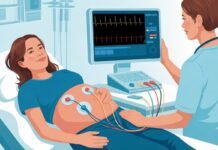
- You will be asked to lie down comfortably on an examination table in a private area.
- The technician may clean small areas of your skin to improve electrode contact.
- Adhesive electrodes are placed on the chest, arms and legs.
- The electrodes are connected to the ECG machine using soft cables.
- You will be asked to remain still, relaxed and breathe normally while the heart signals are recorded.
- The recording typically lasts only a few seconds.
- The electrodes are removed and the test is complete.
There is no physical effort involved, no discomfort, and the procedure is over quickly.
Does an Eletrocardiograma Hurt?
No — an eletrocardiograma does not hurt. This is the most common question among first-time patients, and the answer is confidently reassuring. The ECG simply records electrical signals that already exist inside your body and does not send electricity into the heart. There are no needles or painful sensations at any point.
What the test feels like
The only sensations patients typically notice include the cool temperature of the adhesive pads and a slight pulling feeling when they are removed, especially for people with chest hair. Some patients may feel momentarily shy about exposing the chest, but medical staff always maintain respect and privacy. If anxiety about discomfort is your primary concern, you may find helpful reassurance here:
Is an Eletrocardiograma Painful?
How to Prepare Before the Exam
Minimal preparation is required, but following simple recommendations ensures accurate results and a comfortable experience for first-time patients. Good preparation also reduces the possibility of repeating the test due to weak signal quality.
Recommended preparation tips
- Shower before the exam to remove body oils and creams that affect electrode contact.
- Avoid applying lotion or moisturizer on the chest on the day of the test.
- Wear loose and comfortable clothing for easy access to the upper body.
- Bring a list of all medications you take regularly.
- Consider trimming chest hair if necessary to help electrodes adhere effectively.
If you would like a full preparation checklist and guidance for your first ECG, this resource is helpful and easy to follow:
How to Prepare for an Eletrocardiograma
Understanding Your ECG Results
In most cases, results are available immediately after the recording is complete. A doctor reviews the wave patterns produced by the heart to determine whether the rhythm is normal or if further testing is needed. Some findings are harmless and common, while others may require follow-up evaluation.
What doctors look for in wave patterns
- Normal sinus rhythm
- Arrhythmias such as atrial fibrillation or premature beats
- Reduced blood flow to the heart muscle
- Electrical conduction blocks
- Evidence of past heart damage
If an abnormality is detected, your doctor may recommend additional tests such as a Holter monitor, stress test or echocardiogram. Receiving an abnormal result does not automatically mean something dangerous; many irregularities are manageable when detected early.
How Patients Usually Feel Afterward
Most first-time patients report that the exam was much easier than expected. The procedure is quick, painless and over before many people realize it. After a first experience, anxiety typically disappears and patients feel confident about future tests.
Common reactions from first-time patients
- “I was nervous before the test, but it was incredibly simple.”
- “I didn’t feel any pain at all.”
- “It finished much faster than I imagined.”
If you still feel unsure or have questions, you may find helpful explanations here:
Eletrocardiograma for Beginners: Questions and Answers
When Urgent Help Is Needed
If you experience intense chest pain, difficulty breathing, sudden palpitations, fainting or symptoms that feel alarming, it is important to seek emergency medical care immediately. An ECG performed quickly in urgent situations can help detect life-threatening heart conditions and guide fast treatment.
Final Thoughts
The eletrocardiograma for first-time patients is a safe, fast and painless exam that provides valuable insights into heart health. Understanding what to expect removes fear and allows you to approach the experience with confidence. If your doctor recommended an ECG, it is likely part of a smart preventive strategy that can protect your long-term health. Taking care of your heart is one of the most important investments you can make in your life.
For more detailed medical guidance about ECG testing, you can review expert information from the Mayo Clinic at Mayo Clinic Electrocardiogram Overview and practical patient-focused explanations available at Healthline Electrocardiogram Resource.